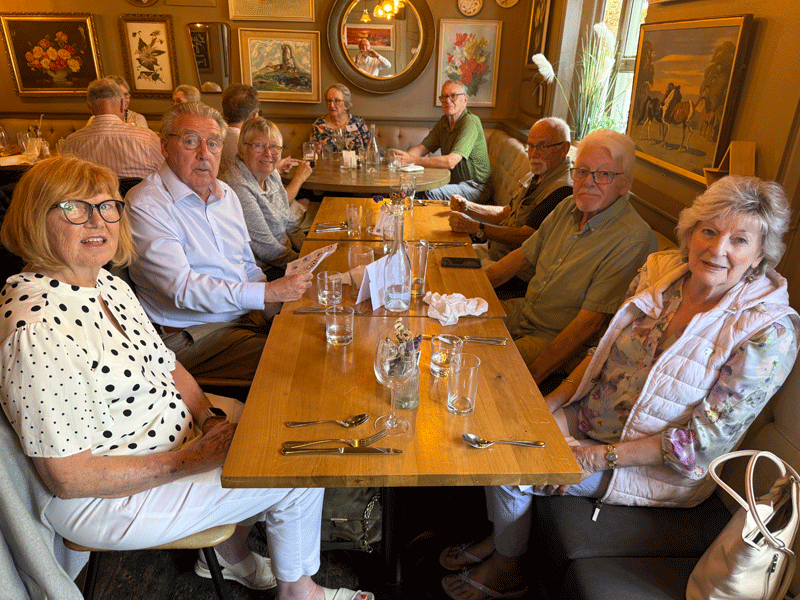
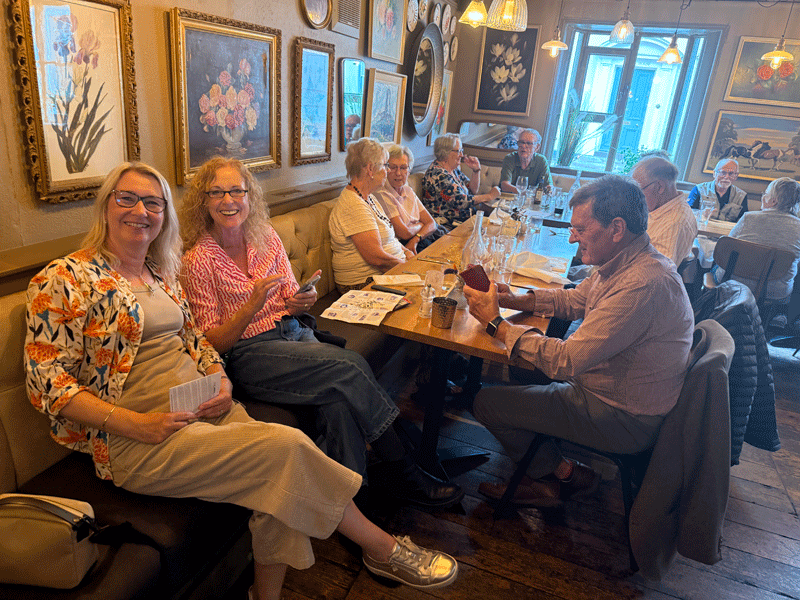
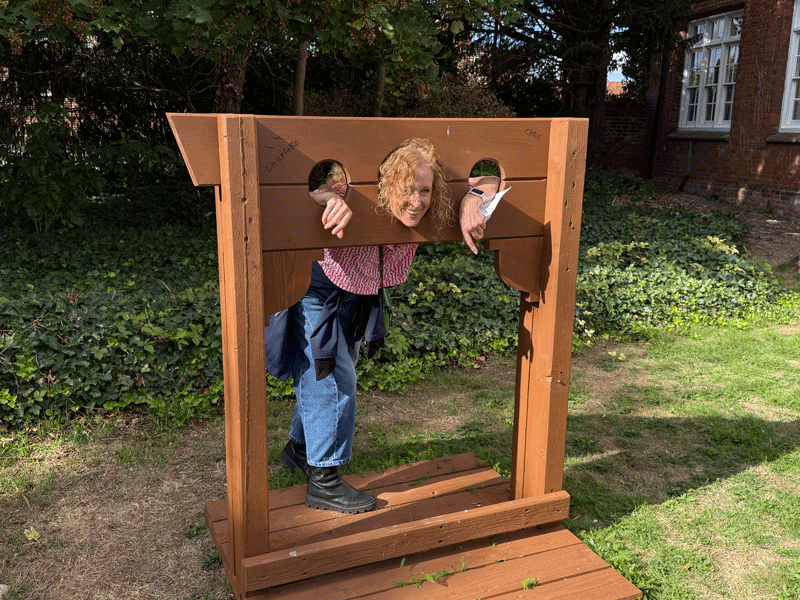
What more could you ask for? A fine day, a run out in the Morgan through beautiful countryside, an excellent lunch at a historic pub and a guided tour of the medieval town of Saffron Walden narrated by Anglemog's answer to Professor Alice Roberts, Lesley Willies? A word of warning though, do not cross the aforesaid lady or you might find yourself in the stocks!
The saffron crocus (Crocus sativus) had a long history before it arrived to lend its name to Saffron Walden. From the first, saffron was used for various purposes, as a dye, medicinally and as a flavouring; later it was used to enhance gold decoration on medieval manuscripts. The Arabs probably introduced saffron to Spain:it spread within Europe as well as further eastward to India. Today it is a significant ingredient in Mediterranean and Indian cookery - and in the saffron buns baked in Cornwall and for St. Lucia's Day in Sweden. Saffron appeared in England at the time of Edward the Third (1327-1377). Tax records indicate saffron cultivation in Walden in 1444, but it was the 16th century that the town became the country's major centre for the production of the spice.
Courtesy of Saffron Walden Tourist Information Centre

Add comment
Comments